


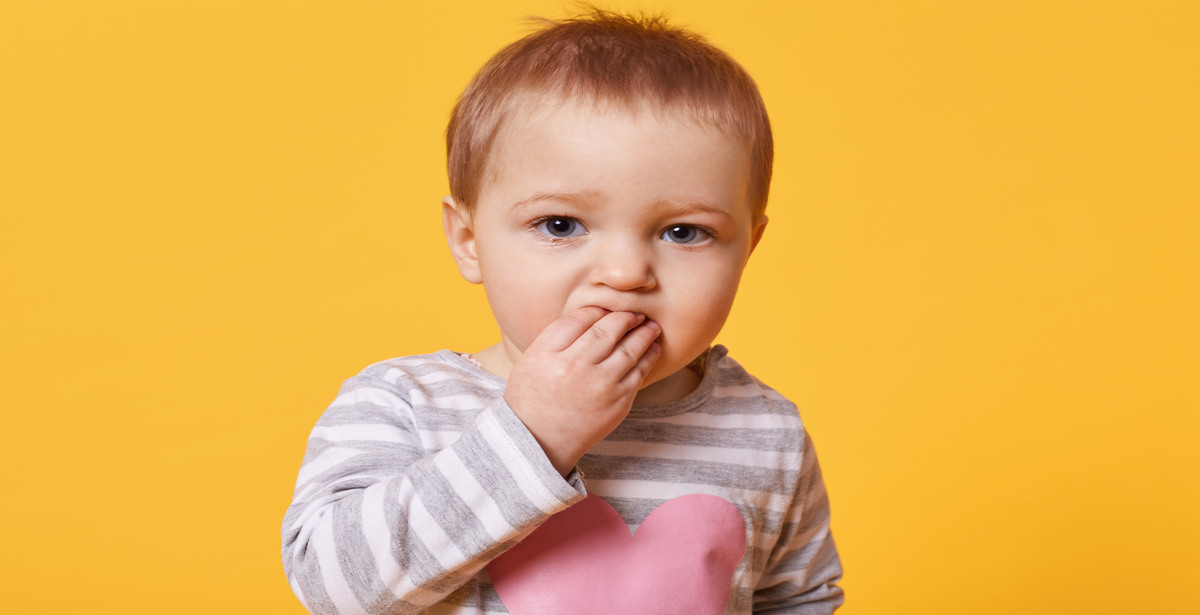

Teething pain in babies can be relieved by gently massaging your baby’s gums, offering a chilled teething ring, using a cool washcloth for chewing, providing extra cuddles, and giving chilled foods if your baby has started solids. If the discomfort is severe, your pediatrician may recommend an age-appropriate pain reliever. Although teething can cause sore gums, drooling, fussiness, and sleepless nights, there are many safe and effective ways to comfort your baby.
In this guide, you’ll learn the best ways to relieve teething pain, what causes teething discomfort, why babies often seem fussier at night, and the safest home remedies to help your little one feel better.
In this guide, you’ll learn:
- How to recognize teething symptoms
- Safe ways to relieve teething pain
- Why babies seem fussier at night
- Natural home remedies that actually help
- When to call your pediatrician
What Is Teething?
Teething is the process of a baby’s teeth pushing through the gums, due to which babies experience several health issues. Most babies begin teething between 4 and 7 months, although some may start earlier or later. The first teeth are usually the two bottom front teeth (lower central incisors).
By the age of 3 years, most children have all 20 primary (baby) teeth.
Common Signs Your Baby Is Teething
Every baby experiences teething differently, but common signs include:
- Excessive drooling
- Swollen or tender gums
- Chewing on hands, toys, or clothing
- Increased fussiness or irritability
- Trouble sleeping
- Loss of appetite for solid foods
- Rubbing ears or cheeks
- Mild gum redness
Some babies may also have a slight increase in temperature, but teething does not usually cause a high fever.
How to Relieve Teething Pain in Babies
Fortunately, there are several safe ways to comfort your baby.
1. Massage Your Baby’s Gums
Wash your hands thoroughly and gently rub your baby’s gums with a clean finger.
The gentle pressure helps reduce soreness and provides temporary relief.
Massage for one to two minutes whenever your baby seems uncomfortable.
2. Offer a Chilled Teething Ring
A chilled (not frozen) teething ring can soothe inflamed gums.
Cooling helps reduce swelling while giving your baby something safe to chew.
Avoid freezing teething rings because extremely cold objects may damage delicate gum tissue.
3. Use a Cold Washcloth
Wet a clean washcloth with water.
Place it in the refrigerator for about 20–30 minutes.
Let your baby chew on the cool cloth under supervision.
This simple remedy works surprisingly well for many babies.
4. Encourage Safe Chewing
Babies naturally relieve pressure by chewing.
Safe options include:
- Silicone teethers
- Soft rubber teething toys
- BPA-free teething toys
- Chilled baby spoons
Always choose products appropriate for your baby’s age.
5. Give Extra Cuddles
Sometimes babies aren’t only in pain—they’re also looking for comfort.
Holding, rocking, singing, or skin-to-skin contact can help calm an upset baby.
Emotional comfort often reduces crying just as much as physical pain relief.
6. Wipe Away Drool
Excess drooling can irritate your baby’s chin, neck, and cheeks.
Use a soft cloth to gently pat the skin dry throughout the day.
Applying a baby-safe moisturizer or barrier cream may help prevent drool rash.
7. Offer Cool Foods (For Babies Eating Solids)
If your baby has started solids, chilled foods may help soothe sore gums.
Examples include:
- Cold yogurt
- Chilled applesauce
- Mashed banana
- Pureed pear
- Refrigerated fruit puree
Never give hard foods that could become a choking hazard.
What Is the Best Pain Relief for Teething Babies?
For most babies, non-medicine methods are enough to manage teething discomfort.
If your baby seems to be in significant pain and comfort measures aren’t helping, your pediatrician may recommend an age- and weight-appropriate dose of acetaminophen (paracetamol). For babies older than 6 months, ibuprofen may also be an option if advised by a healthcare professional.
Avoid:
- Teething gels containing benzocaine
- Products containing lidocaine
- Homeopathic teething tablets unless specifically recommended by your healthcare provider
- Amber teething necklaces or bracelets, which pose choking and strangulation risks
Always follow your pediatrician’s advice before giving medication.
Why Is Teething Pain in Babies Worse at Night?
Many parents notice that teething discomfort seems to intensify after bedtime. Several reasons may explain this:
1. Fewer Distractions
During the day, babies are busy playing, exploring, and interacting with people.
At night, with fewer distractions, they’re more aware of the discomfort in their gums.
2. Lying Down
When lying flat, pressure around the head and gums may feel more noticeable, making discomfort seem worse for some babies.
3. Fatigue
A tired baby has less patience for discomfort.
Even mild gum soreness can feel much harder to tolerate at bedtime.
How to Help a Teething Baby Sleep Better
Try these bedtime tips:
- Offer a chilled teether before bed.
- Gently massage your baby’s gums.
- Follow a calming bedtime routine.
- Keep the room cool and quiet.
- Comfort your baby with rocking or cuddles if they wake.
- If recommended by your pediatrician, use pain relief medicine when discomfort is severe.
Remember that teething is temporary. Sleep usually improves once the tooth breaks through the gum.
Home Remedies for Teething Pain in Babies
Many simple home remedies can provide comfort for teething pain in babies.
1. Chilled Washcloth
A refrigerator-cooled washcloth gives soothing pressure while your baby chews.
2. Silicone Teether
Soft silicone teethers are easy to grip and gentle on sore gums.
3. Cold Spoon
A clean metal spoon chilled in the refrigerator can feel soothing on swollen gums.
Do not freeze the spoon.
4. Gentle Gum Massage
One of the safest and most effective remedies requires nothing more than clean hands.
5. Extra Fluids
If your baby is refusing solids, breast milk or formula can help keep them hydrated.
6. Cold Purees
Older babies enjoying solids often appreciate chilled fruit or vegetable purees.
Myths About Teething
1. Myth: Teething causes a high fever.
Fact: A high fever is not a normal symptom of teething. If your baby has a temperature of 38°C (100.4°F) or higher(especially in infants under 3 months) or appears very unwell, seek medical advice.
2. Myth: Diarrhea is caused by teething.
Fact: Teething itself does not cause diarrhea. Loose stools may happen for other reasons, such as a viral illness or dietary changes.
3. Myth: Babies should chew on frozen objects.
Fact: Frozen teethers can become too hard and may injure delicate gums.
When Should You Call a Doctor?
Contact your pediatrician if your baby:
- Has a high fever
- Has persistent diarrhea or vomiting
- Refuses all fluids
- Is unusually sleepy or difficult to wake
- Has a rash unrelated to drooling
- Cries inconsolably for several hours despite comfort measures
- Shows signs of dehydration (such as fewer wet diapers, dry mouth, or no tears when crying)
These symptoms may indicate an illness unrelated to teething.
FAQs About Teething Pain in Babies
Final Thoughts
Teething is a normal milestone, but it can be challenging for both babies and parents. Gentle gum massage, chilled teethers, cool washcloths, and lots of comfort are usually enough to ease sore gums. If your baby’s discomfort seems severe or you’re unsure whether symptoms are due to teething, contact your pediatrician for guidance.
With patience, reassurance, and safe soothing techniques, your baby will get through teething and before long, those tiny new teeth will be showing in every smile.